
Kirby Law Federal Defense Network

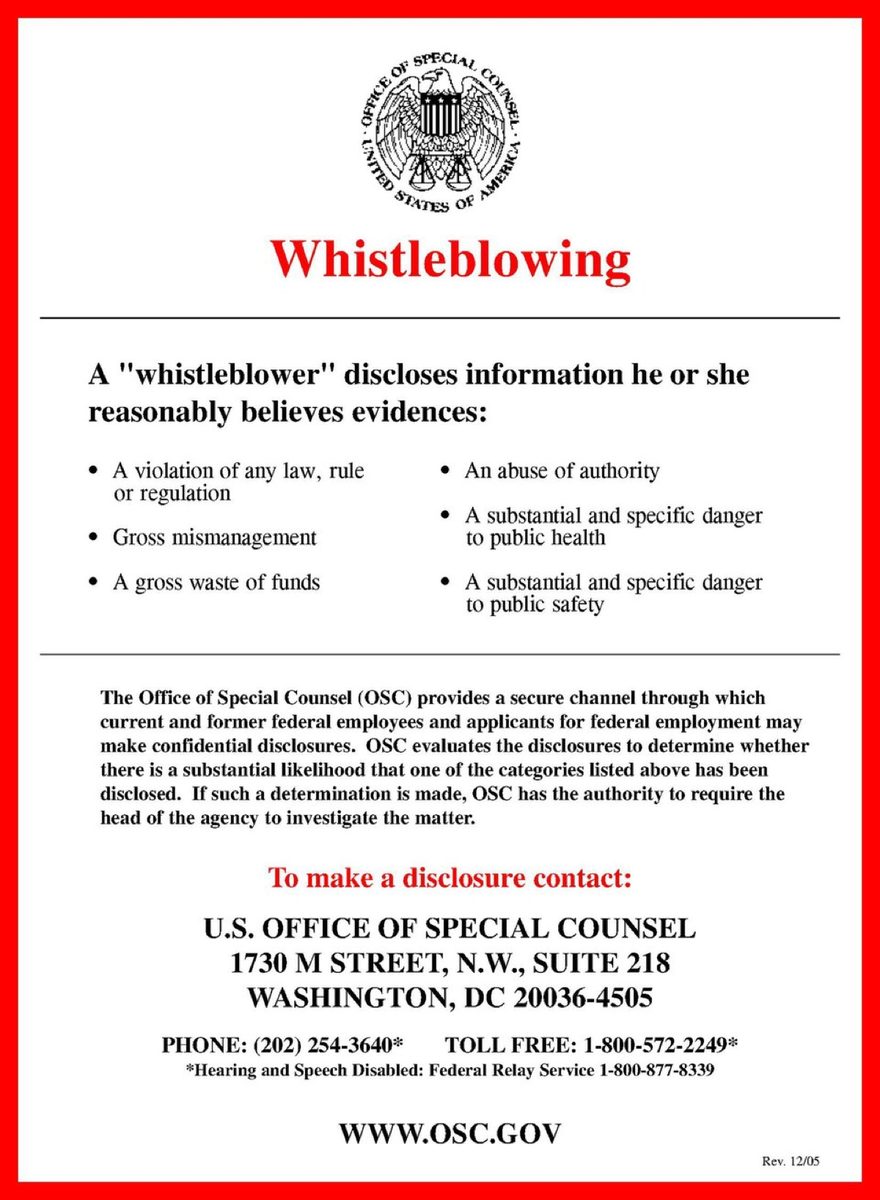
You Blew the Whistle.
Now the Government Is Looking at You.

The brutal irony of whistleblower cases: you reported fraud, and now you're the one under a microscope. A former federal prosecutor explains how to protect yourself — before it's too late.

⚠ Whistleblowers can face criminal charges. Independent counsel is not optional — it is essential.

The Legal Minefield — Statutes That Can Trap Whistleblowers

The government has powerful tools to investigate fraud — and those same tools can be turned against whistleblowers. Even if you acted in good faith, you may face exposure under multiple statutes:

  • False Claims Act (31 USC §§ 3729-3733): 31 USC § 3729 Qui tam provisions allow private individuals to sue on behalf of the government, but filing a false or exaggerated claim can lead to prosecution.
  • 18 USC § 1001 — False Statements: 18 USC § 1001 The "Martha Stewart trap" — making any materially false statement in connection with a federal investigation. Up to 5 years. This is how many whistleblowers get charged.
  • 18 USC § 1519 — Obstruction of Justice: 18 USC § 1519 Destroying or altering documents to impede a federal investigation. Up to 20 years. Deleting files after you know about an investigation triggers this.
  • Sarbanes-Oxley (18 USC § 1514A): 18 USC § 1514A Provides whistleblower protections for corporate employees, but does NOT provide immunity from other criminal statutes.
  • SEC Whistleblower Program (Dodd-Frank): Offers 10-30% bounty on recoveries over $1M. No immunity from criminal charges. The SEC can refer cases to the DOJ.

The Qui Tam Process — What Actually Happens

A qui tam complaint is filed under seal, meaning the case's existence and details are confidential. Here's the real timeline:

  1. Filing Under Seal The complaint is filed in federal court with no public docket entry. Only the government and the relator's counsel know it exists.
  2. Government Investigation (60+ Days) The U.S. Attorney's Office investigates. The 60-day seal period is routinely extended — investigations often last 12-24 months. During this time, you cannot discuss the case with anyone.
  3. Intervention Decision The government decides whether to intervene (take over the case). If they decline, the relator can still pursue the case — but bears all cost and risk.
  4. Seal Lifted The case becomes public. The defendant learns they are being sued. Media attention follows. Your name is on the public docket.
  5. Relator's Share (15-30%) If the case succeeds, the relator receives 15-30% of the recovery. But if the case fails, the relator may face liability for the defendant's legal fees — and potential criminal exposure.

Four Ways Whistleblowers Get Into Legal Jeopardy

  • Taking documents you shouldn't have. Downloading company files, forwarding emails to your personal account, or copying databases without authorization can be prosecuted as theft or computer crime — even if the documents prove fraud.
  • Waiting too long to report. If you knew about fraud for months or years and continued to participate, the government may view you as a co-conspirator who only came forward when the heat turned up.
  • Talking to the press before the government. Premature media contact can undermine an investigation, damage your credibility with prosecutors, and expose you to defamation claims from the target company.
  • Filing a false or exaggerated qui tam claim. Inflating the fraud allegations or filing without evidence can lead to prosecution under the False Statements Act and dismissal of your qui tam case with prejudice.

What NOT to Do If You're Under Investigation

  • DO NOT delete emails, texts, or files after you know about an investigation. This is obstruction of justice — often carrying more prison time than the underlying offense.
  • DO NOT contact your former employer about the case. Your communications are not privileged and can become evidence against you.
  • DO NOT discuss the sealed case with anyone who is not your attorney. The seal means the case does not exist to the outside world. Violating it can result in sanctions or worse.
  • DO NOT post about it on social media or professional networks like LinkedIn. Prosecutors monitor social media. Your posts become evidence.
  • DO NOT assume cooperating with the government protects you. Cooperation may help, but it is not immunity. The government can use your statements against you.

What TO Do Right Now

  • Hire independent counsel — NOT the same firm representing the qui tam. Your interests and the qui tam's interests may diverge. You need your own lawyer.
  • Preserve every document, email, recording, and note. Your defense depends on a complete factual record. Back up everything to a location your attorney can access.
  • Understand your exposure before talking to any government agent. Even a "friendly" conversation with investigators can produce a false statement charge if you misremember a detail.
  • Document your original whistleblower intent and timeline. When did you first learn of the fraud? When did you report it and to whom? This chronology is critical to establishing good faith.
  • Get a proffer agreement in place before any substantive conversation with prosecutors. Never provide information without a written agreement that limits how the government can use it.
"A former AUSA understands how the government evaluates whistleblowers — when they see them as heroes and when they see them as co-conspirators. This is not a case for a general practitioner."
John D. KirbyFormer U.S. Federal Prosecutor, 25+ Years Federal Trial Experience
Available 24/7

Free & Confidential Consultation

(619) 557-0100

Speak directly with former U.S. Federal Prosecutor John D. Kirby.
All consultations are confidential and protected by attorney-client privilege.